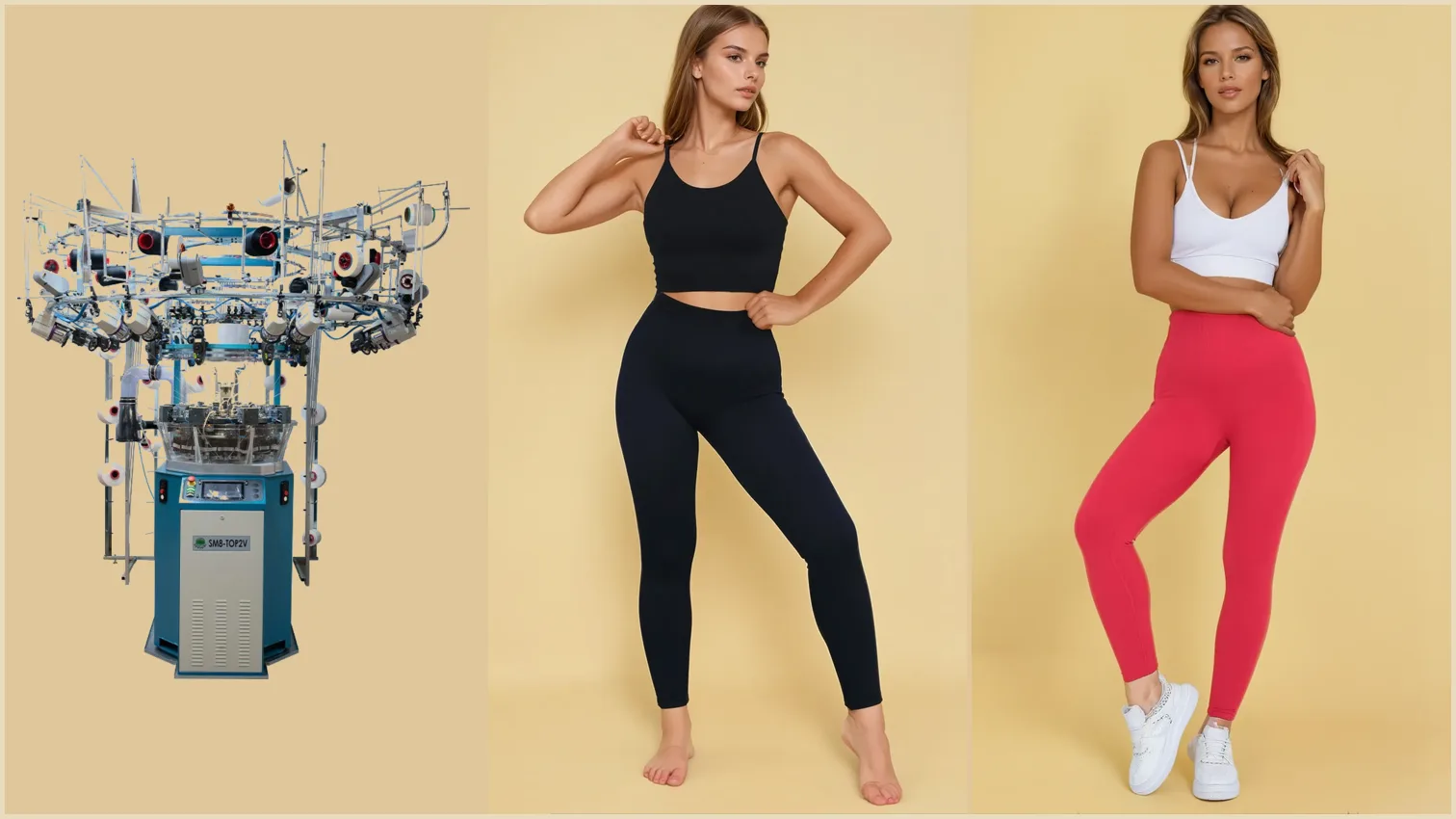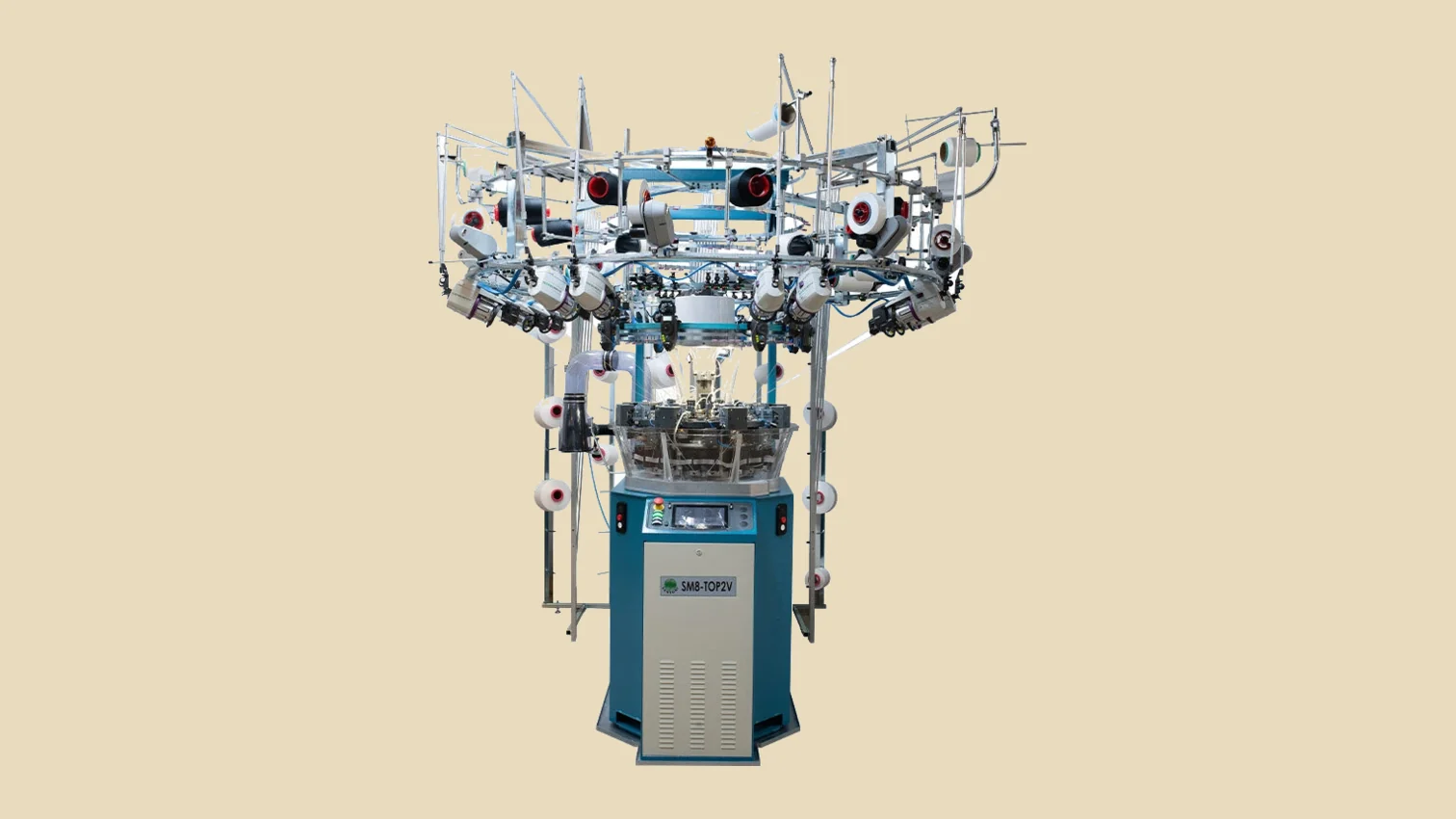
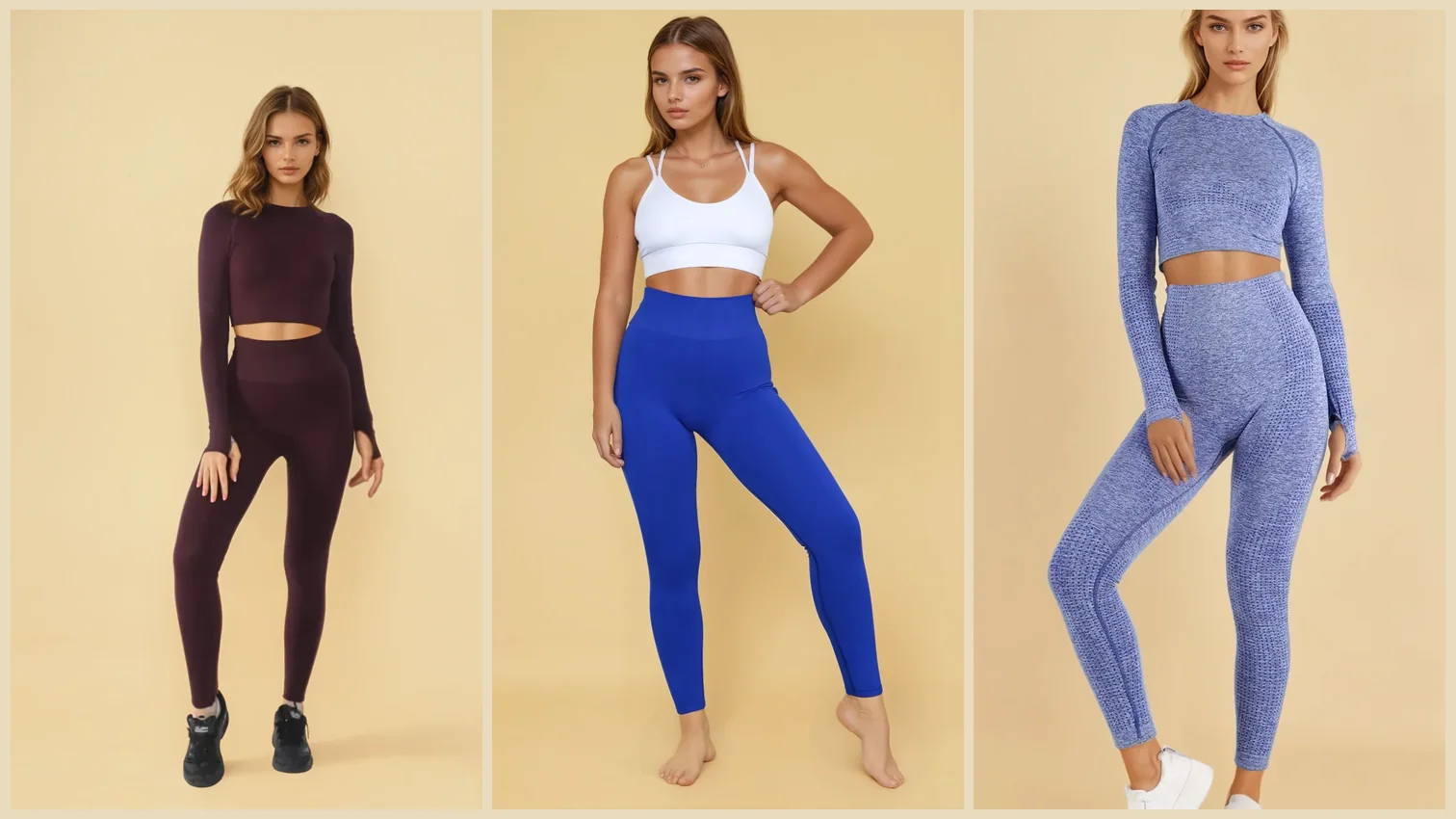
Most activewear brands do not fail because the designs were wrong. They fail because the founder committed to a factory, a fabric or an order size before understanding what any of those decisions actually cost. This guide walks through the sequence we see working: the order in which to make decisions, and what to have ready before you contact a manufacturer.
1. Decide what you are actually selling
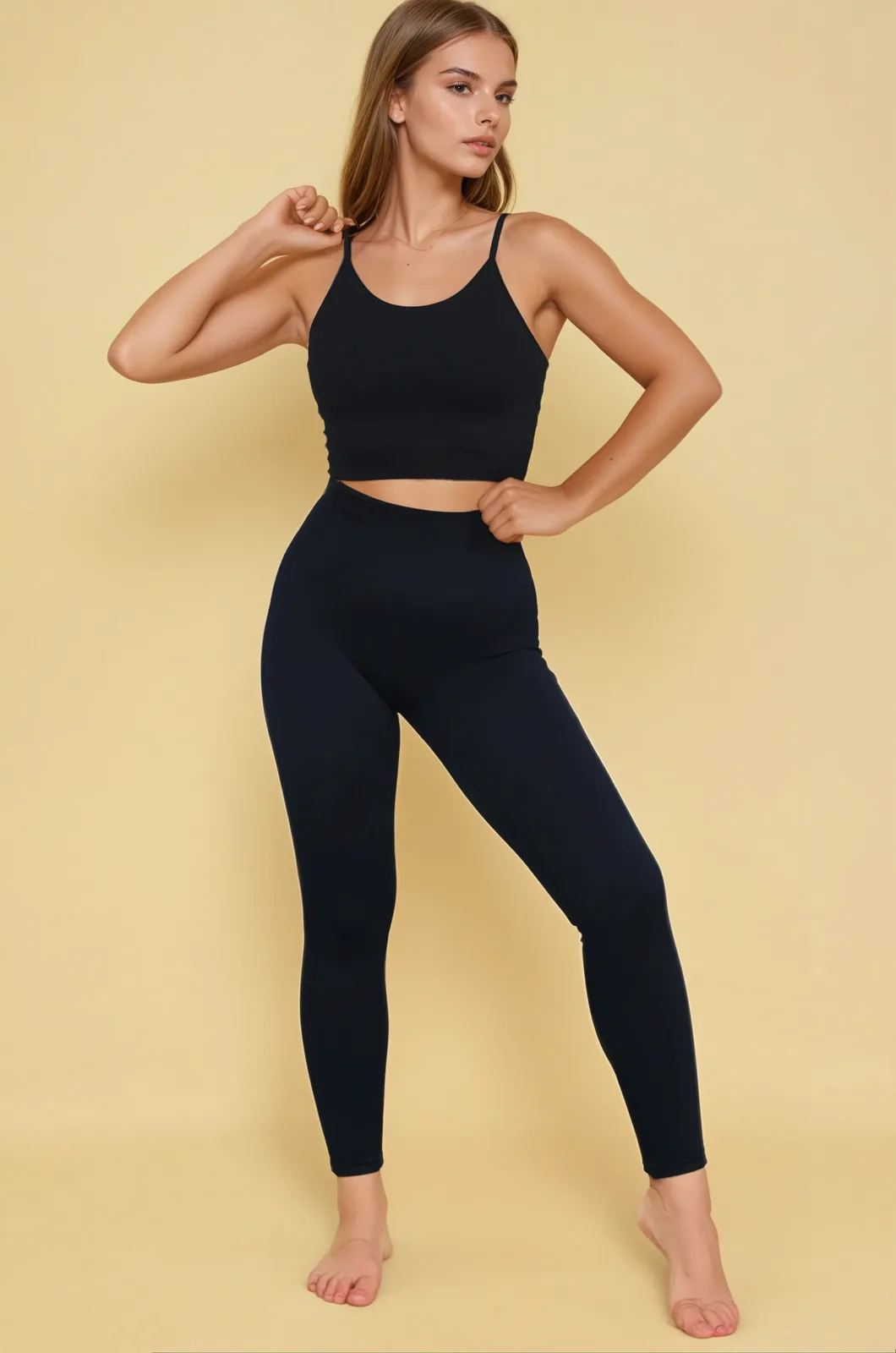
“Activewear” is not a product. Leggings, sports bras, two-piece sets, shorts and bodysuits are all built differently, use different machine setups and carry different minimums. Before anything else, narrow to two or three styles you want to launch with.
A first collection that works usually looks like this:
- One hero product, the piece your brand will be known for
- One companion product that sells alongside it (a bra for a legging, a top for a short)
- Three to five colors, not fifteen
Color count is where most first orders quietly get expensive. At many factories each color is a separate dye lot with its own minimum, so ten colors can multiply your order value without adding a single new style. Ask how the factory counts colors before you commit.
2. Understand seamless versus cut & sew
This is the single decision that shapes everything downstream: cost, fit, minimums and lead time.
| Seamless | Cut & sew | |
|---|---|---|
| Construction | Knitted as one tube on a circular machine | Panels cut from fabric, then stitched |
| Seams | Few or none | Many |
| Best for | Compression, stretch, second-skin fit | Structured shapes, paneling, prints |
| Setup | Programmed per style | Patterns and cutting per size |
Seamless garments come off the machine already shaped, which is why they sit flatter against the body and have no side seams to chafe or roll. If your brand is built on fit and comfort, seamless is usually the right answer. If it is built on bold panel blocking or heavy printed graphics, cut & sew may serve you better.
Ask any factory you approach which of the two they actually own machines for. A factory that outsources the part you care about most is a factory you cannot get answers from.
3. Choose your fabric before you choose your price
Fabric is roughly where your garment’s feel, durability and cost are decided. In seamless activewear, the practical choice is usually between nylon and polyester blends, each with elastane for stretch.
- Nylon/elastane. Softer hand feel, better recovery, a more premium touch. Costs more.
- Polyester/elastane. Better color fastness and moisture wicking, more forgiving on price.
Ask for physical swatches. A fabric that looks right in a photograph can feel completely wrong once it is on a body, and it is far cheaper to learn that at the swatch stage than after a bulk run.
4. Get clear on MOQs
Minimum order quantity is where most first conversations stall, usually because both sides mean different things by it. Ask the factory to break the minimum down:
- Per style. How many units of a single design
- Per color. How many units in one color of that design
- Per size. Whether the size run is fixed or you can weight it
A factory quoting “1,000 pieces minimum” might mean 1,000 total across your collection, or 1,000 per color per style. Those are very different businesses. Get it in writing.
5. Sample before you commit
Never place a bulk order from a photograph. A proper sampling round looks like:
- Fit sample. The first physical garment, made to your measurements
- Revisions. One or two rounds of adjustment based on real fitting
- Pre-production sample. The final approved reference that bulk is measured against
Budget four to six weeks for this, and treat it as the most valuable money you will spend. Every problem you catch here costs a sample; every problem you catch after bulk costs an order.
6. Plan the timeline backwards
If you are launching for a specific season, work backwards from the on-sale date:
- Bulk production: 4–8 weeks depending on quantity
- Sampling: 5–7 days to knit the first sample
- Fit approval and revisions: 1–3 weeks
- Fabric and yarn sourcing: 2–4 weeks
- Shipping: 1 week (air) to 5 weeks (sea)
That is roughly two to five months from first conversation to stock in hand. Brands that compress this usually do it by paying for air freight and rushed sampling. That is possible, but it is a cost, not a shortcut.
What to have ready before you contact a factory
You will get a faster, more accurate quote if you arrive with:
- The styles you want, with reference images
- Target quantities per style and per color
- Your size range
- Fabric preference, or at least a description of the feel you want
- Your target landed cost per unit
- Your launch date
You do not need tech packs to start the conversation. You do need to know what you are trying to build.
We produce seamless leggings, sets and sports bras from yarn to finished garment in our own facility in İstanbul, for brands across the USA and Europe. If you are working through the decisions above, see what we make or tell us about your project. We will come back with fabrics, minimums and a quote.