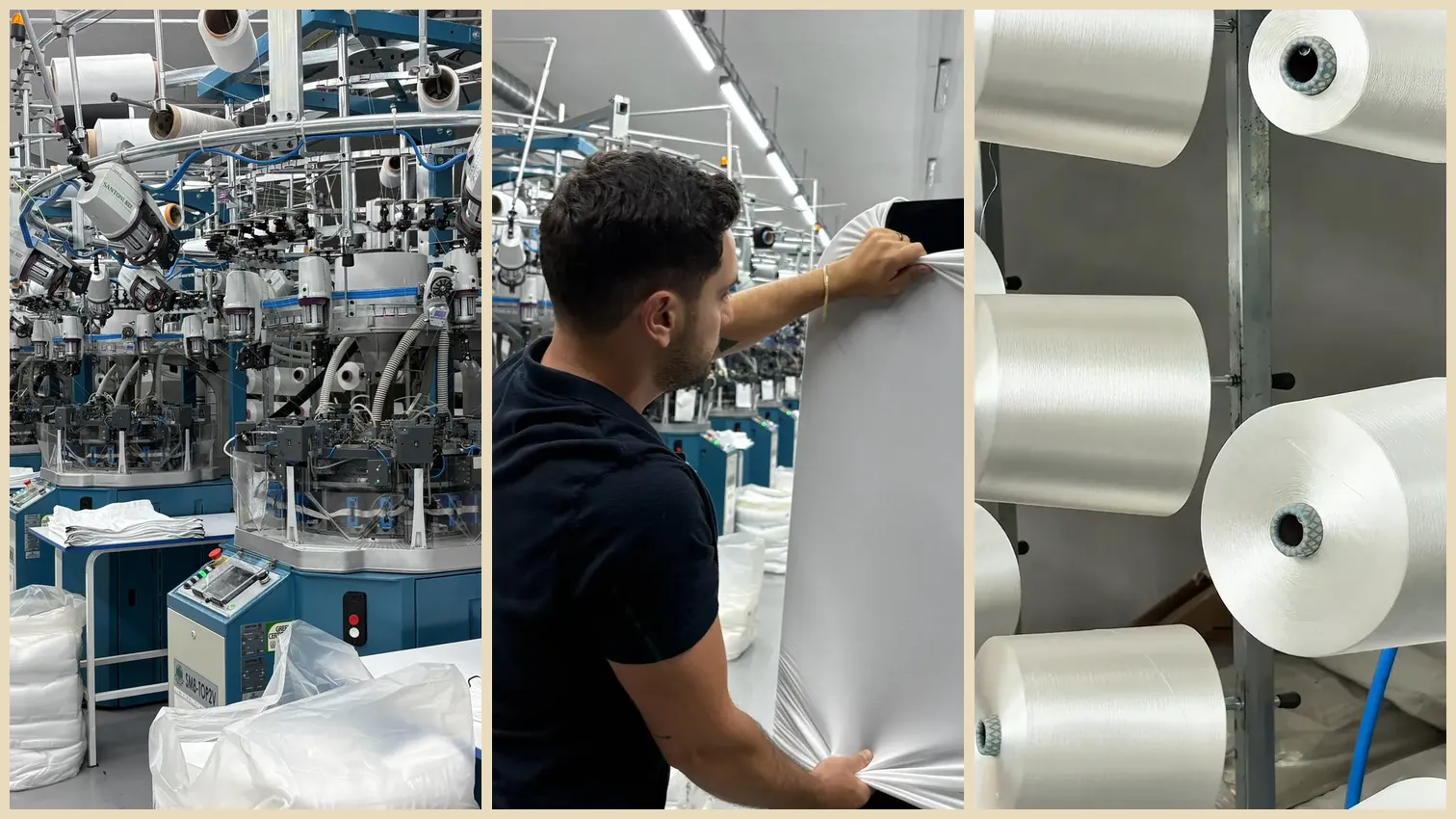
For a small activewear brand ordering a few hundred pieces per style, Türkiye usually wins on minimums, speed and how easy the factory is to reach; China usually wins on unit price at volume, range of materials and sheer number of suppliers. As a reference point from the Turkish side: our minimum is 500 pieces per style, a fit sample takes 1 to 2 weeks, and bulk takes 2 to 3 weeks after sample approval for delivery inside Türkiye, with international shipping on top. We are a Turkish seamless factory, so read this knowing which side we sit on. We have tried to say plainly where China is the better choice.
1. Minimums
For most first-time founders, the minimum decides the question before anything else does.
Sourcing guides generally describe Turkish factories as more open to small runs, often a few hundred pieces per style, and large Chinese factories as working in the thousands per style or per color. Those are general market patterns, and they are not uniform: plenty of Chinese suppliers advertise low minimums, usually on their own existing designs or stock colors rather than on a garment developed for you.
Our own terms, so you have one concrete benchmark: 500 pieces per order and per style, with up to 3 colors and up to 3 sizes inside those 500 pieces. One style of 500 is a complete order. The seamless MOQ explainer shows how that splits.
Whichever country you look at, the useful question is the same: what is the minimum counted against? Per order, per style, per color and per size are four very different numbers.
2. Lead times
Production time depends more on the individual factory’s queue than on the country. A small order at a very large factory can wait behind much bigger ones.
Ours, for reference: a fit sample in 1 to 2 weeks depending on workload, and bulk in 2 to 3 weeks after sample approval, for delivery inside Türkiye. International shipping time comes on top and depends on your destination and whether goods go by road, air or sea. Compare the production times you are quoted directly, then ask your forwarder for the shipping leg to your warehouse, because that part depends on where you are rather than where the factory is.
3. Unit price and landed cost
China is generally cheaper per unit, especially at volume. It has the deepest yarn and trim supply in the world and enormous scale. Türkiye is not a low-cost manufacturing country, and a Turkish quote will often be higher per piece.
But unit price is only one part of what you pay. Landed cost is the full cost of a garment sitting in your warehouse: unit price, freight, import duty, taxes, and the cost of any stock you had to buy to meet a minimum but cannot sell. For a small brand, that last line can outweigh the difference in unit price.
Two things worth checking with a customs broker before you decide:
- Into the EU: Türkiye and the EU have a customs union covering industrial goods, including garments, so Turkish-made clothing traveling with the right paperwork generally enters without EU customs duty. Import VAT still applies.
- Into the USA: duty rates on goods from China have changed repeatedly in recent years. Check the current rate for your product code before you compare quotes.
Compare the landed cost of the pieces you will actually sell, not the unit price of the pieces you have to order.
4. Communication and time zones
Istanbul is on GMT+3. That overlaps the whole European working day and the morning of the US East Coast, so a question sent at 9am in London or New York can usually be answered the same day. China, at GMT+8, overlaps very little with either, which turns many simple questions into a 24-hour round trip.
English is widely used in the export side of both industries. In either country, the quality of communication comes down to the person you are dealing with. Judge it on the first few replies: are your questions answered precisely, or with a template?


5. Visiting the factory
Seeing the machines your garment will be knitted on is the single best way to know who you are dealing with. For a founder in Europe, Istanbul is a short flight; from the US it is a direct long-haul route from many major cities. A factory visit in China is a longer, more expensive trip for most Western founders, which is one reason many end up working through agents and trading companies instead.
Our clients can visit the Istanbul office at any stage, including to build the sample with us, trying it on and adjusting it in the same visit. If you are not sure whether you are talking to a factory or a middleman, our guide to manufacturers, wholesalers and trading companies lists the questions that settle it.
6. Design protection
Your design is the brand. In any country, ask in writing that the garment you develop will not be sold to or made for anyone else. Our position is simple: a client’s design is never sold to or made for another brand.
7. Where each one wins
| Türkiye | China | |
|---|---|---|
| Typical minimums (market pattern) | Smaller runs more common | Wide range; large factories higher, stock programs lower |
| Unit price at volume | Higher | Lower |
| Range of yarns and trims | Good | The widest anywhere |
| Number of suppliers | Smaller pool | The largest pool |
| Working-hours overlap with Europe | Full day | Very little |
| Factory visit from Europe | Short trip | Long-haul |
| Customs union with the EU | Yes, for industrial goods | No |
China is usually the better call if you are ordering thousands of pieces per style, price is your main lever, you need a specialized technical fabric, or you are running a stable core range that does not change season to season.
Türkiye is usually the better call if this is your first collection, you are testing styles in small runs, you sell mainly into Europe, or you want to visit and build the product in person.
Most founders do not need to settle this forever. Start where your first order makes sense, and revisit when your volumes change. Our guide to starting an activewear brand covers the decisions that come before this one.
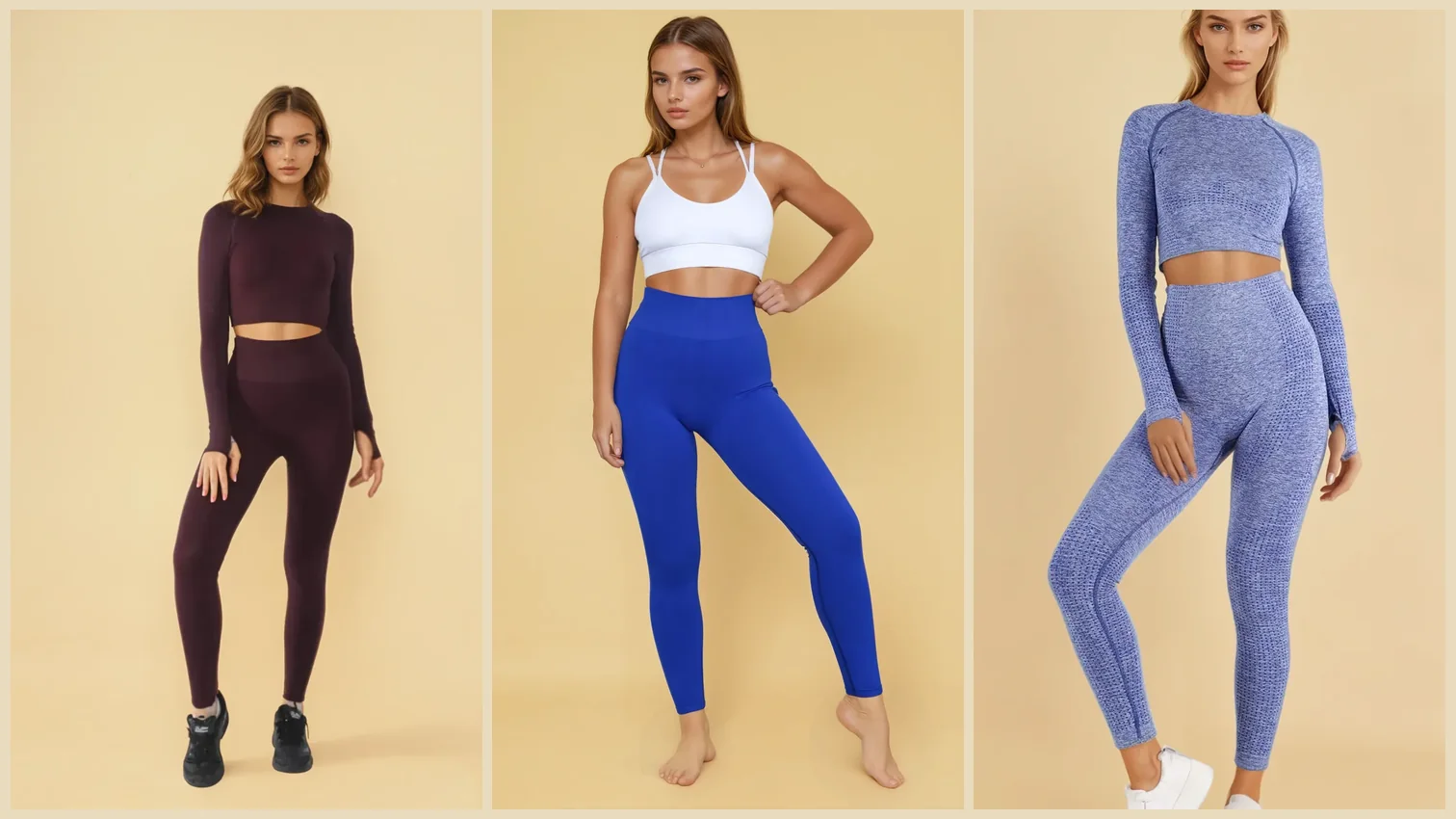
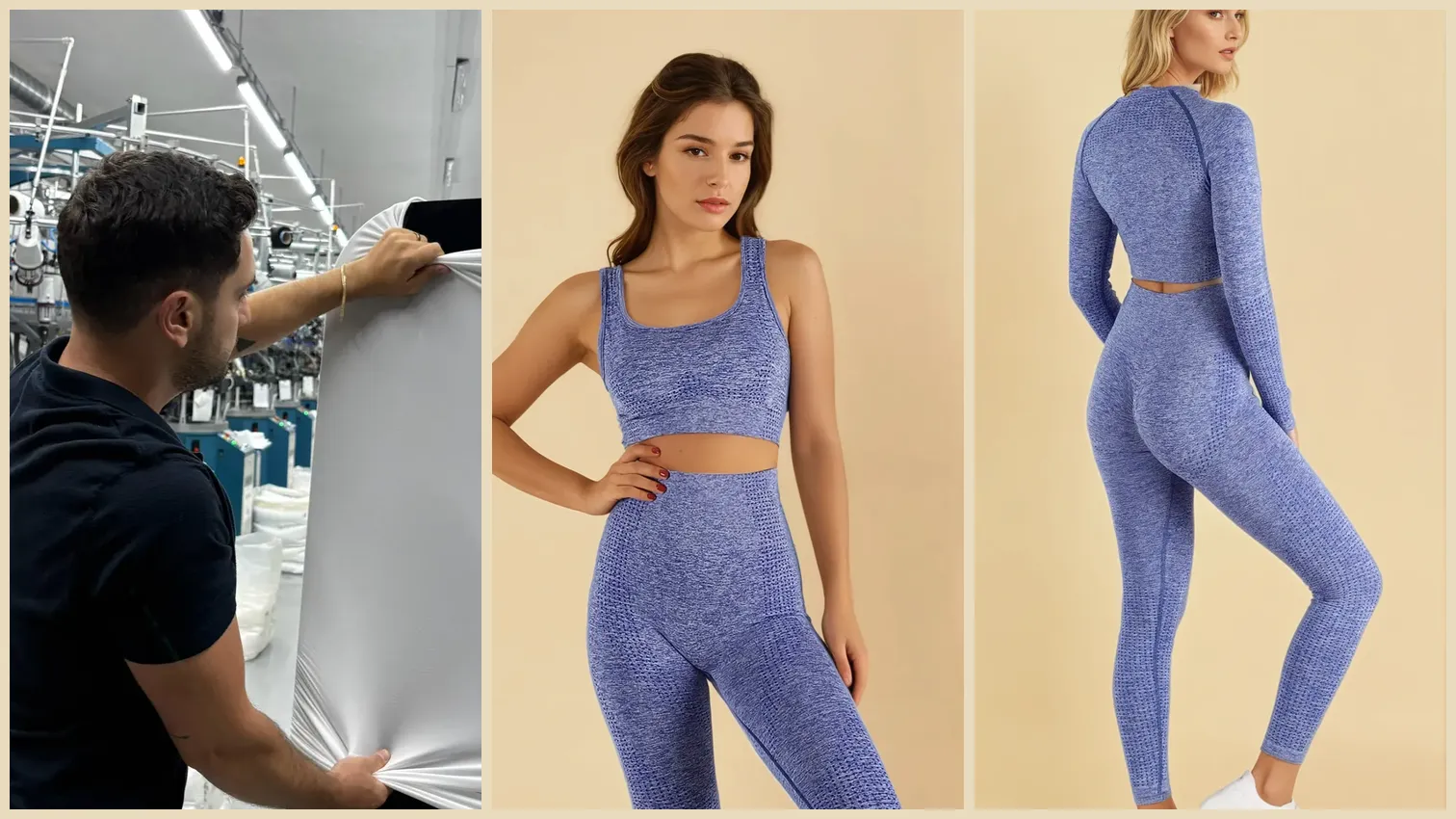
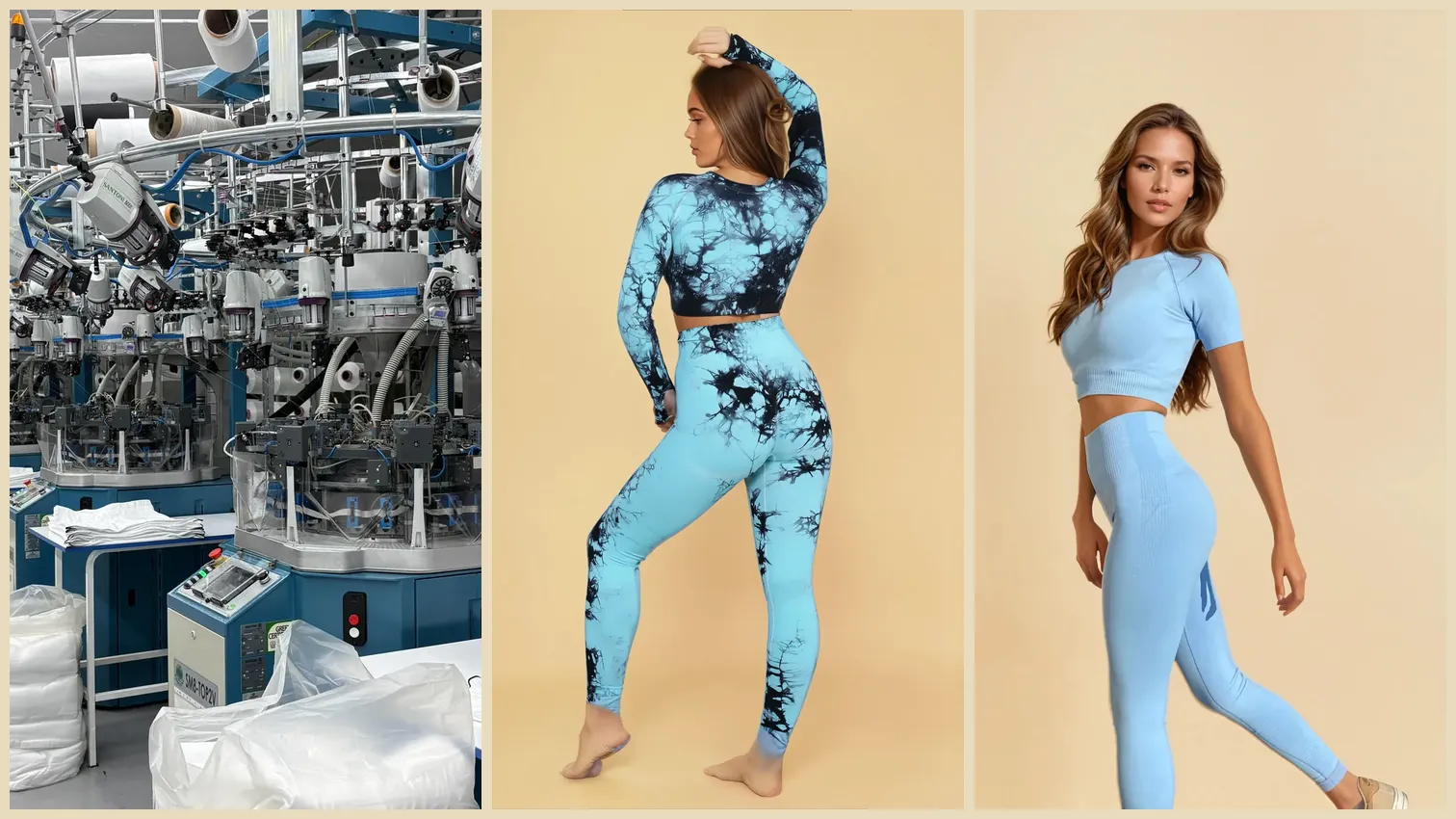
We knit seamless leggings, sports bras, sets, tops, bodysuits and jumpsuits to order on our own Santoni machines in Istanbul, and we have been doing it since 2019. Read more about working with a seamless manufacturer in Turkey or check the common questions about minimums and lead times, then tell us about your project and we will come back with a quote you can compare line by line.